|
Interviews
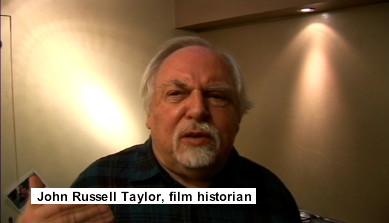
JOHN RUSSELL TAYLOR, Film Historian. Reviewed the film at the Berlin Film Festival in 1972 while working as film critic for The Times. ‘It’s put together like a poem, and largely instinctively....and how they blend together and how they contrast from moment to moment.‘ It’s also specifically English, in a way which is now almost forgotten, and really looked down on. It refers back to a lot of British artists, English artists of the 30s like Eric Ravilious with their passionate feeling for the English countryside, the English landscape, the way that English poets, writers, have responded always to these things. This is organized in a poetic way. It’s put together with the film makers going with the flow, seeing what works with what and combining it all into a wonderfully poetic whole. And that I think is something which could be, and clearly is, every now and then, influential on the way films are made today. It’s a return to a sort of art film making, which sounds derogatory, but it isn’t. Film is an art and why should it not be treated that way and among its artistic potentials, why should not the poetic potential… the poet’s way of putting things together, not be exploited and celebrated? That is what The Moon and the Sledgehammer does. > More interviews >> Richard Stanley, Cameraman >> Barry Vince, Editor >> Robert Erskine, partner in Vaughan Films |